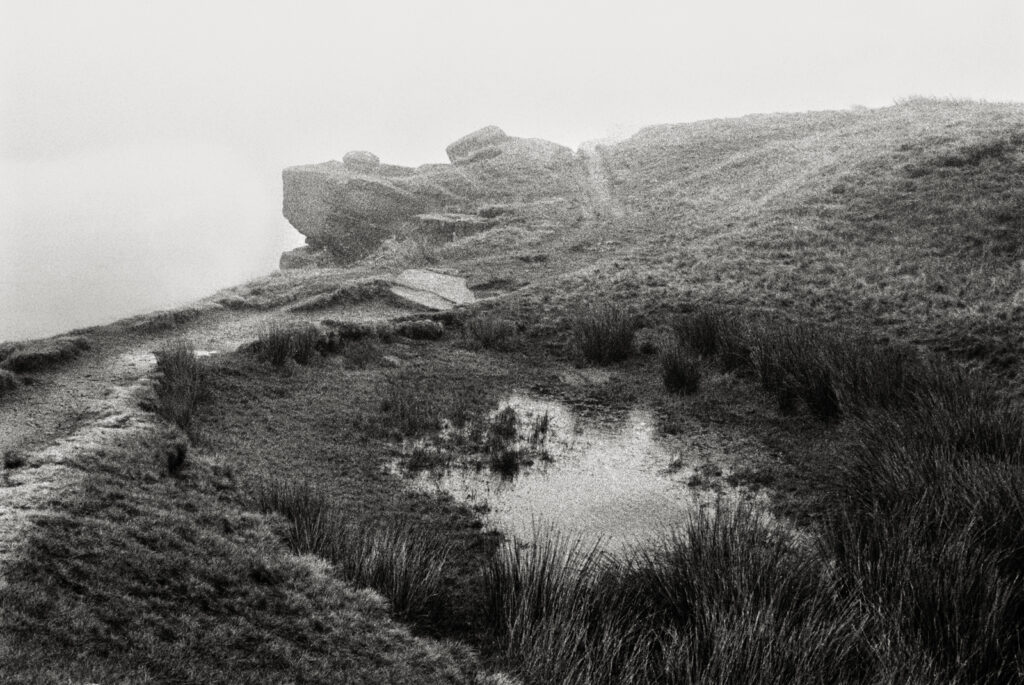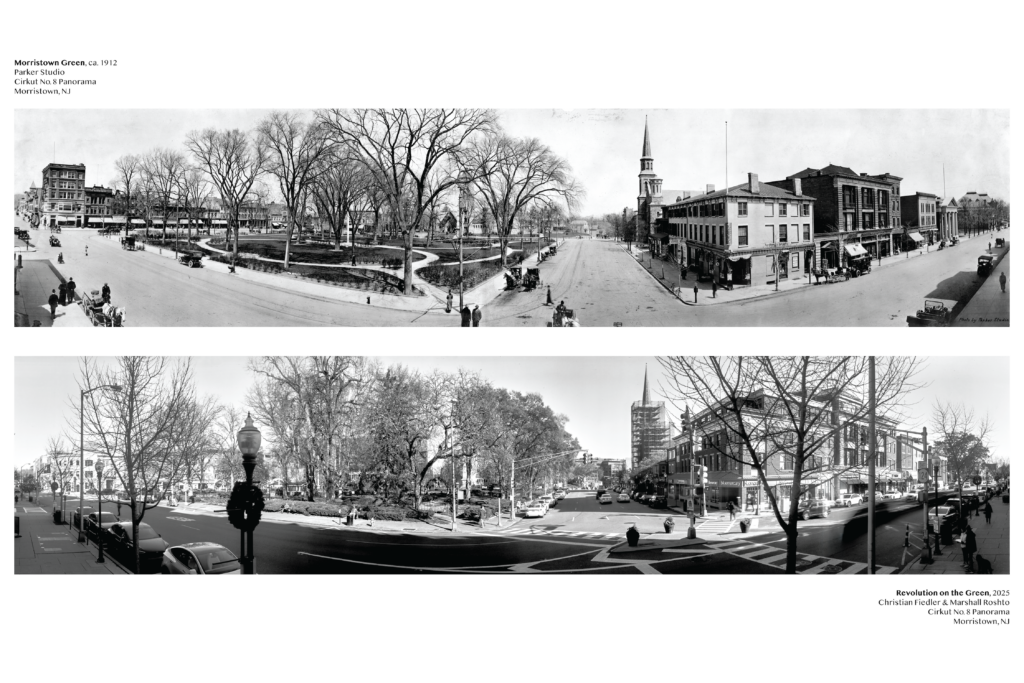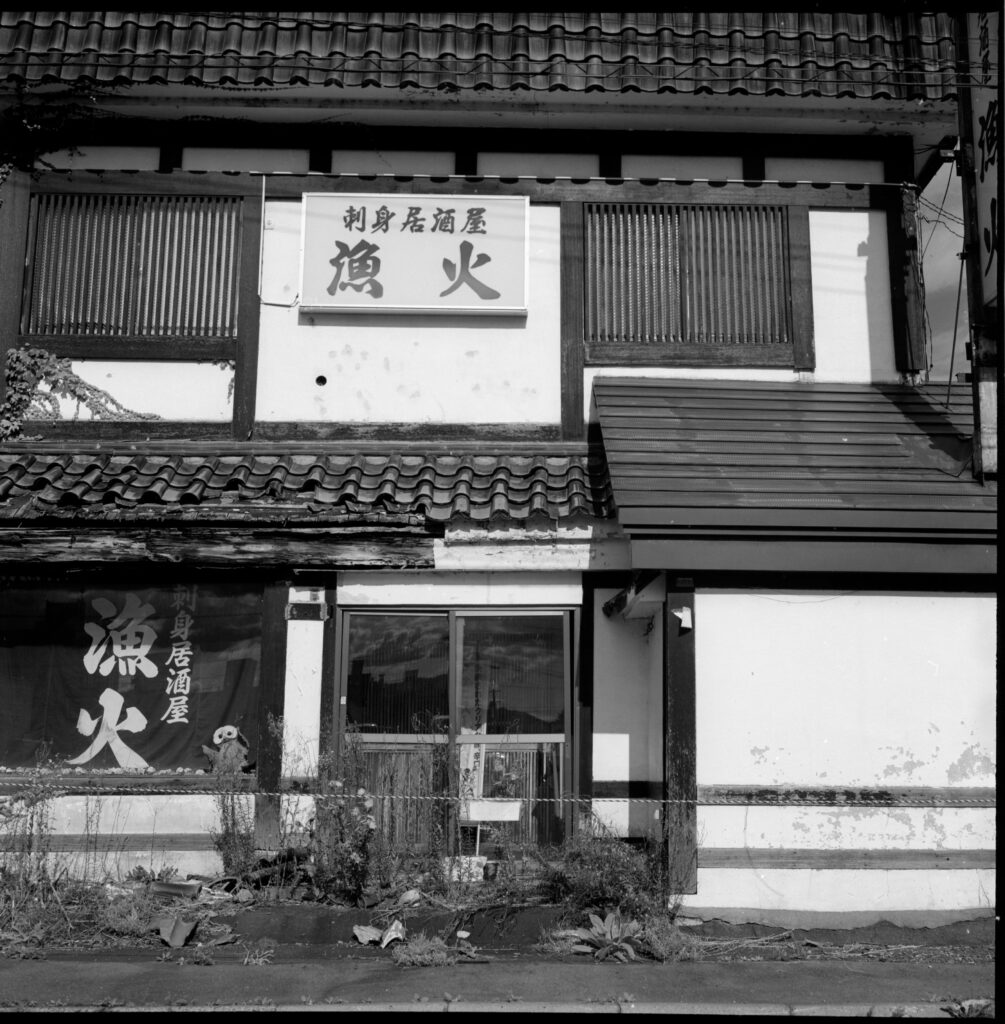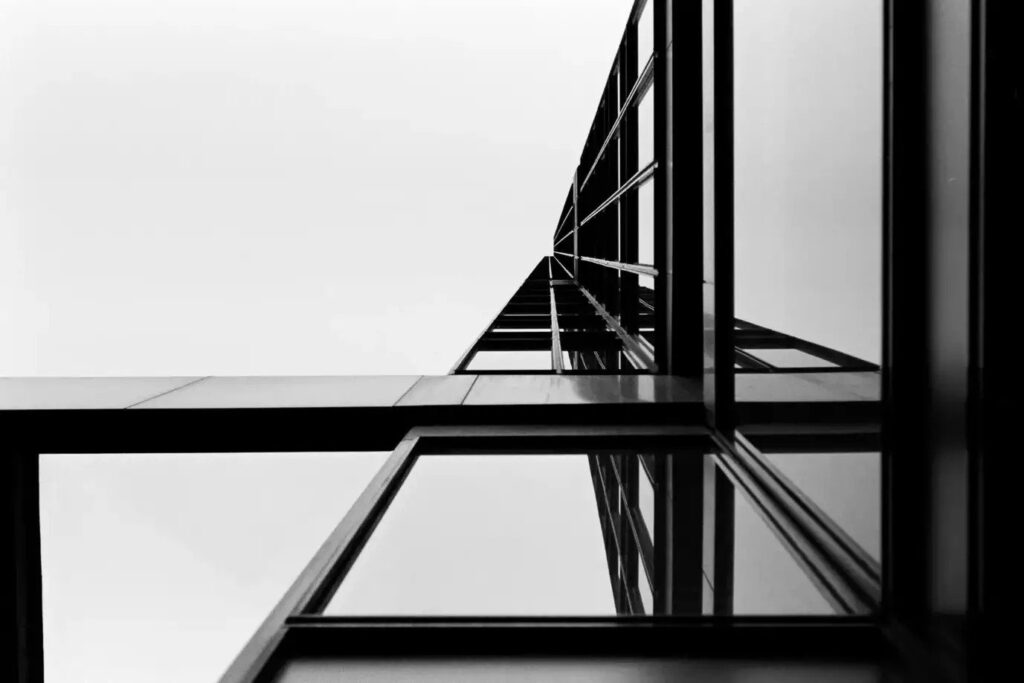
Ilford HP5 Plus at a Historical Engine Factory

By Martin H

After getting back into film and starting the Analogue Photography series with the iconic Kodak Tri-X, I turned to its European counterpart for this round — the equally legendary Ilford HP5 Plus. Long favored by press photographers, photojournalists, and enthusiasts who needed a reliable workhorse, HP5 Plus has earned its reputation as a versatile and forgiving black-and-white film.

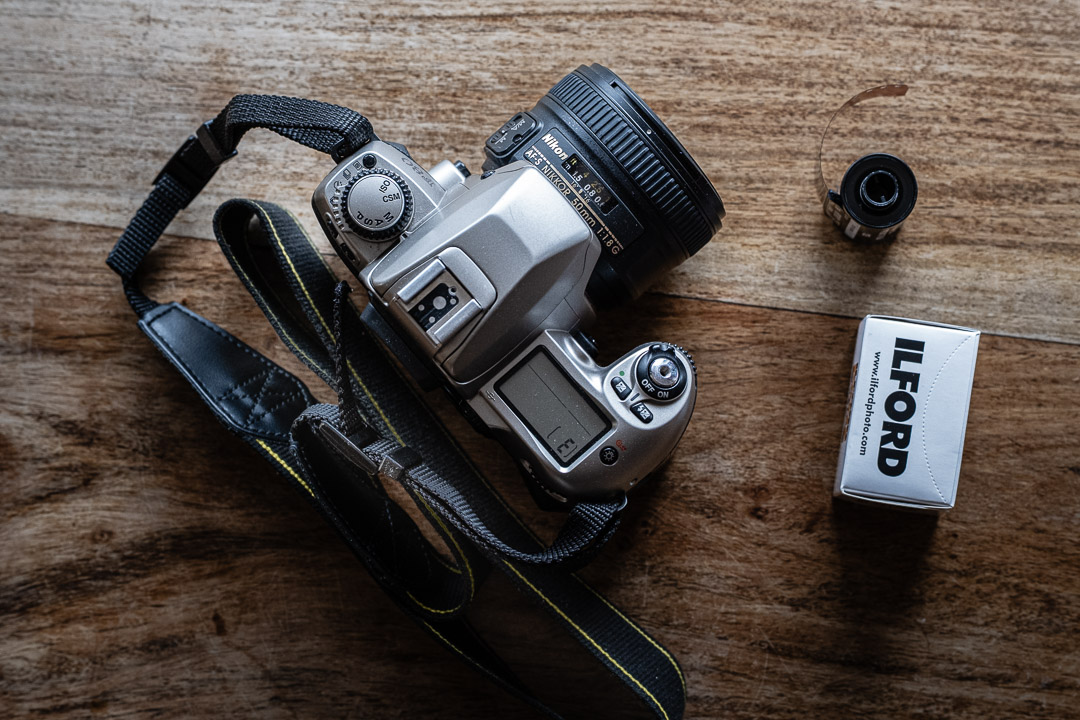
As several people asked about my gear in previous articles, here it is: I tested this film in a Nikon F80 with Nikon AF-S 50mm f/1.8G, digitised with a Nikon Zf, TTArtisan 100mm/2.8 macro 2X, and JJC film digitizer

For this installment, I chose a location much older than the film stock itself — a historic engine factory that felt like the perfect match: the Pythagoras Hot-Bulb Engine Factory.

Engine operator Kent-Peder Stiggel
Machine details A
Drilling tool and the factory

High up on the southern hills of the city of Norrtälje, Sweden, stands the Pythagoras Hot-Bulb Engine Factory. Once upon a time, engines were built here and sold all over the world, and the place was alive with the sound of work. Today, the factory remains much as it was — preserved as a living museum.

Tool A
Tool B and the factory

Hot-bulb engines became popular in the late 19th and early 20th centuries, especially for marine, agricultural, and stationary use for their simplicity, reliability, and fuel flexibility. They could run on almost any low-grade fuel oil (kerosene, crude oil, even animal fat). This was a big advantage in rural or maritime settings where refined fuels weren’t available.

One of the larger Hot bulb engines made and used in the factory
The engine from the other side

There’s something for everyone to discover here: stories of the people who lived and worked at the factory, machines and engines that still rumble and rattle, business offices with their original furnishings, and workers’ homes from the 1940s complete with kitchen rugs and herb gardens. Children can play and learn in Children’s Pythagoras — a 500-square-meter former test hall. There are also smaller exhibitions to explore and a cozy café in the old forge.

Engine operator Kent-Peder in action
Lathe and the factory

Detail B

What is now Children’s Pythagoras was once the factory’s old test and packing hall. Back then, it was known as the Wolf Pit — but don’t worry, it had nothing to do with real wolves! The name came from engines that had some defect; these “wolves” were tested here. During testing, power output, fuel consumption, and other performance aspects were measured. Afterward, the engines were packed into large wooden crates and shipped off to customers around the world.

Machine “ready” to be packed in Children’s Pythagoras
A telegraph key and Morse code in Children’s Pythagoras
Flying bicycle in Children’s Pythagoras

Pythagoras is a genuine factory frozen in time — a place where the early 20th century lingers in the air. The scent of iron and oil greets visitors as they step inside, carrying them back to the era when Sweden was becoming an industrial nation. Every corner feels untouched since the last worker left, as if time itself has paused.

Tool D
Tool C

Chain crane 1

Founded in 1898 in Norrtälje, the Pythagoras Engine Factory quickly grew into the city’s largest workplace. Here, machine tools clanged and engines roared, but it was the hot-bulb engines that earned the company worldwide fame. From this small town, engines traveled across the globe, powering agricultural machinery, fishing boats, and other vehicles.

By the early 1980s, however, the factory faced demolition — until a determined group of enthusiasts stepped in to save it.

Tool E in the first line of machines
Running hot-bulb engine and the operator
Tool wheel

In 1992, the engine factory was declared a listed building and transformed into a living museum. Today, it’s preserved and run by the Pythagoras Engine Factory Foundation, with the support of the Pythagoras Vänner association, allowing visitors to step back in time and experience a piece of industrial history.

The factory has remained nearly intact since operations ended in the 1960s. The office still holds its original drawings and archives; the machine hall is filled with engines and tools, waiting as if for the next shift to begin.

Inside, there are drawing offices, business offices, and a separate room for the director. The old Bakelite telephone still rings with someone wanting to order spare parts.

Office work station 1

Engineers’ drawing board

Now, it lives again as a working museum: lathes hum, belt transmissions rattle across the ceiling, and hot-bulb engines thud and vibrate during tours. When the doors swing open, visitors aren’t just entering a museum — they’re stepping straight into history, into a bygone era that still breathes around them.

Transmission belts

Pythagoras had offices in several locations over the years. This wing was originally built as a storage room but was converted into an office in the early 1930s and remained in use until the business closed in the 1960s.

An arithmometer — a vintage mechanical calculator with a pinwheel mechanism
Antique hand-crank pencil sharpener
Office work station 2 and 3

Office work station 4

Conclusion

This film stock is as versatile and reliable as the Kodak Tri-X I discussed in the previous article. Right off the bat, I’d like to emphasise that I like both, but there are differences — and I prefer one over the other depending on the subject matter. While Tri-X has long been the market leader and favourite in the Americas and other parts of the world, Ilford HP5 — and later HP5 Plus — became the go-to choice in Europe among pros and enthusiasts, from photojournalists and documentary shooters to anyone working with available light — and that’s not without reason.

Both films share that unmistakable classic look, yet their grain structures and tonal qualities set them apart. Some people swear by Tri-X for everything, while others love HP5/HP5 Plus for its subtler character. HP5’s grain gives images a nostalgic texture like Tri-X’s, but it’s softer and its contrast is a bit lower. Personally, I prefer this look for most of my photography — though I still love Tri-X for its coarse grain, deep blacks, and high contrast that give certain subjects a punchy, graphic edge.

Which one do you prefer?

Buy Ilford HP5 Plus on Amazon (Affiliate link)
Kodak Tri-X 400 on Amazon (Affiliate link)

Tool wheel 2
A running hot bulb engine
Running engine 3
Running engine 2
Chain crane 2
Chain crane 3
Drilling machine 2
Mechanical workstation

Chain crane 4

All the pictures in this article come from a single roll of HP5 Plus, shot at ISO 400. They were developed in Rodinal 1+25 and scanned to JPG files by bildskanning.com in Sweden, but I photographed the negatives myself to obtain the raw files and gain more control over the tonal edit. You could also use Kodak HC-110 for similar results: high contrast, excellent sharpness, and distinct grain. If you prefer a good balance of fine grain, sharpness, and tonal range, I would recommend developing the film in Ilford ID-11 or Kodak D76, though. For the finest grain and good sharpness, you can try Ilfotec DD-XKodak XTOL, or Adox XT-III.

Details

The pictures you see in this article all come from a single roll of HP5 Plus, shot at ISO 400 and developed by bildskanning.com in Sweden. I digitised them myself, though, and tinted to taste.

Follow me on Youtubeour blog site, or Instagram!

Share this post:

About The Author

By Martin H
Martin M.H. lives outside Stockholm, Sweden. He is a M.Sc. in Computer Technology but he has been a passionate photographer for over 50 years. He started his photographic adventures when he was thirteen with an Agfamatic pocket camera, which he soon replaced with a Canon rangefinder camera that his mom gave him in his teenages. After that he has been using Canon SLR, Nikon SLR manual focus and Autofocus, Sony mirrorless crop sensor, Nikon DSLR and Nikon Mirrorless. He has photographed any genre he could throughout the years and you can see all kind of images in his portfolio. During the later years though it has been mostly landscape, nature, travel and some street/documentary photography.
Read More Articles From Martin H

Find more similar content on 35mmc

Use the tags below to search for more posts on related topics:

Donate to the upkeep, or contribute to 35mmc for an ad-free experience.

There are two ways to contribute to 35mmc and experience it without the adverts:

Paid Subscription – £3.99 per month and you’ll never see an advert again! (Free 3-day trial).

Subscribe here.

Content contributor – become a part of the world’s biggest film and alternative photography community blog. All our Contributors have an ad-free experience for life.

Sign up here.

Make a donation – If you would simply like to support Hamish Gill and 35mmc financially, you can also do so via ko-fi

Donate to 35mmc here.

Comments

Scott O’Brien on Ilford HP5 Plus at a Historical Engine Factory

Comment posted: 27/01/2026

I love what you’ve got out of the HP5+. I tend to find it a touch polite - it leaves lots of latitude for editing, but I typically want a bit more commitment up front. You’ve really got it working in a way I’ve not managed so far.
Reply

Leave a Reply

Your email address will not be published. Required fields are marked *

Martin H replied:

Comment posted: 27/01/2026

Thanks Scott.

Reply

Leave a Reply

Your email address will not be published. Required fields are marked *

Walter Reumkens on Ilford HP5 Plus at a Historical Engine Factory

Comment posted: 27/01/2026

After a long time, I have now exposed another black and white film and used Ilford HP5 Plus 120. The film was developed by a specialist lab and scanned at 4k, and I'm very happy with the results – I was pleasantly surprised. Due to the price difference in Germany compared to TriX, I'll continue to use HP5 Plus, especially since my lab also uses Ilford chemicals.

I really like your photos, and the information is very helpful. Thanks for sharing, Martin.
Reply

Leave a Reply

Your email address will not be published. Required fields are marked *

Martin H replied:

Comment posted: 27/01/2026

Thank you Walter, HP5 Plus is an excellent film if you like the grain and vintage look.

Reply

Leave a Reply

Your email address will not be published. Required fields are marked *

Charles Young on Ilford HP5 Plus at a Historical Engine Factory

Comment posted: 27/01/2026

Martin: Really nice coverage of industrial heritage!
Chuck
Reply

Leave a Reply

Your email address will not be published. Required fields are marked *

Martin H replied:

Comment posted: 27/01/2026

Thank you Chuck.

Reply

Leave a Reply

Your email address will not be published. Required fields are marked *

Stephen McGonigle on Ilford HP5 Plus at a Historical Engine Factory

Comment posted: 27/01/2026

An excellent article and fabulous photographs. You've really managed to capture the atmosphere of the factory. Your use of natural light makes these images so appealing.

The Pythagoras Hot-Bulb Engine Factory, what a wonderful name. It sounds as though it was made up for a humorous book or film. Places such as this are a gift for photography. Close by where I live in Stockport (in Cheshire, England) is The Anson Engine Museum which features working steam engines which vary in size from those which would fit in the back of an estate car to those which have their own building. Thie Anson, rather like your Pythagoras Hot-Bulb Engine Factory, are excellent places to really concentrate and maximise capturing the wonderful atmosphere they provide. I have always found that such establishments are staffed by people with an incredible level of knowledge and enthusiasm.

I too love HP5, and it absolutely perfect for this type of subject matter. You might like to try Ilford's latest offerings under the Kentmere brand. I've found that the Kentmere Pan 200 has great versitility and excellent contrast.
Reply

Leave a Reply

Your email address will not be published. Required fields are marked *

Martin H replied:

Comment posted: 27/01/2026

Thanks, Stephen. You’re right—when I read your comment, I immediately thought of Charlie and the Chocolate Factory and Willy Wonka, which made me laugh. It really is a privilege to have access to this kind of environment. Unfortunately, even though Sweden has been a very industrial country, this is the only site left in this condition. All the others were built on land that is now worth a fortune for residential or office developments, so the owners sell to the highest bidders, who then demolish everything to build modern structures. I’ll write an article on Kentmere in the future, but I haven’t used it yet.

Reply

Leave a Reply

Your email address will not be published. Required fields are marked *

Geoff Chaplin on Ilford HP5 Plus at a Historical Engine Factory

Comment posted: 27/01/2026

Well done - 36 excellent frames in an environment that isn't the easiest to photograph in! HP5 suits the sibject matter well - though i always go for FP4 in preference to either of the 400ssa films: pushing to 400 seems to present no problem..
Interesting story too, and it's good to see history being preserved. Thanks for the article.
Reply

Leave a Reply

Your email address will not be published. Required fields are marked *

Martin H replied:

Comment posted: 27/01/2026

Thank you Geoff. I maybe try the same factory with FP4 next time.

Reply

Leave a Reply

Your email address will not be published. Required fields are marked *

Karen McBride on Ilford HP5 Plus at a Historical Engine Factory

Comment posted: 27/01/2026

I loved the factory and your imagines. Thanks for the article.
Reply

Leave a Reply

Your email address will not be published. Required fields are marked *

Martin H replied:

Comment posted: 27/01/2026

Thank you Karen.

Reply

Leave a Reply

Your email address will not be published. Required fields are marked *

RichardH on Ilford HP5 Plus at a Historical Engine Factory

Comment posted: 27/01/2026

Martin: I am pleased see this on a cold winter morning. It is astonishing to see a full 36 exposure roll, where every image is a "keeper". I have a great affection for machinery, and you have brought out the oiled precision of this factory with your HP5 and Rodinal. The office equipment is also a delight.
Reply

Leave a Reply

Your email address will not be published. Required fields are marked *

Martin H replied:

Comment posted: 27/01/2026

Thanks Richard.

Reply

Leave a Reply

Your email address will not be published. Required fields are marked *

Curtis Heikkinen on Ilford HP5 Plus at a Historical Engine Factory

Comment posted: 27/01/2026

I really like your images and the subject matter. Top notch photography in my book. Excellent post! Thanks for putting all this together!
Reply

Leave a Reply

Your email address will not be published. Required fields are marked *

Martin H replied:

Comment posted: 27/01/2026

Thank you Curtis.

Reply

Leave a Reply

Your email address will not be published. Required fields are marked *

Andrew Moore on Ilford HP5 Plus at a Historical Engine Factory

Comment posted: 27/01/2026

Great article! And what a fascinating place - living history which you've captured so well in your words and images and makes me want to visit. I too have bounced between Tri-X and HP5 going back many years; I first used started 35mm as a teenager in the late 70's, and tried both films. As people on here have remarked: Tri-X is perhaps more 'gritty', and certainly more grainy; although I've always found HP5 just fine for documentary-style pictures. I'm in England so Ilford films have usually been a better buying proposition in terms of availability and slighter lower price. Kodak films in general had become almost indecently expensive up until about a year ago but have dropped back a little recently. Whatever, HP5 has always been good to me. Thanks for sharing your stuff.
Reply

Leave a Reply

Your email address will not be published. Required fields are marked *

Martin H replied:

Comment posted: 27/01/2026

Thank you so much Andrew. Living in England seems Ilford should be the natural choice, people, including myself, want always to see how the neighbour's grass look like and the attraction to something exotic from other side of the sea is unbearable. I mostly prefer HP5+ between the two, but there are other film stocks too.

Reply

Leave a Reply

Your email address will not be published. Required fields are marked *

Jeffery Luhn on Ilford HP5 Plus at a Historical Engine Factory

Comment posted: 28/01/2026

Wow, Martin, you have produced a great collection of photos! All the boxes are ticked: Composition, exposure, tonality, etc. I enjoyed looking at them a couple of times and will share them with my photo students. In answer to your question, "Which film do you prefer?" I was a Big Yellow guy since 1965. Panatomic-X and Plus-X were terrific in 35 and 120. Tri-X was okay in 4x5, but I never liked it in small and medium format. It seemed grainy and not very sharp. The scale was good, but it fell short in many ways. Then Pan-X and Plus-X were discontinued. Ugh! Once I tried Ilford films, especially HP5, I was hooked. That was around 1985. HP5+ responds favorably to everything I ask: Pushing, pulling, HC-110, D-76, Pyro CMK, Rodinal, etc. If a photographer brackets and is careful with development, there's no reason to go to a slower film...if 11x14 prints or smaller are desired. I usually don't print anything larger, but on a few occasions I have, and scanning with clever post processing yields very good quality. Who could ask for anything more? Tri-X...meh. Thanks again for such a great posting! Jeffery
Reply

Leave a Reply

Your email address will not be published. Required fields are marked *

Martin H replied:

Comment posted: 28/01/2026

Oh, wow, thank you so much for so many kind words. I like the HP5+ a lot, but I prefer finer grain film stock for a lot of scenarios, but to get that vintage look, it is one of my absolute favourites.

Reply

Leave a Reply

Your email address will not be published. Required fields are marked *

Michael Murray on Ilford HP5 Plus at a Historical Engine Factory

Comment posted: 28/01/2026

Nice, portraits especially. People plus machinery is a fun combo. Also, I noticed that you did a great job removing the layer of "museum" from many of these images. I'm going to a car show soon and that presence of the barriers is always something that challenges me. To include or not, and how to include or avoid aesthetically.
Reply

Leave a Reply

Your email address will not be published. Required fields are marked *

Martin H replied:

Comment posted: 28/01/2026

Thank you, Michael. I didn’t “remove” anything in the literal sense, but for some shots I had to lean or bend in fairly unnatural or awkward ways—enough that some people might think, “What is this guy doing? He’s taking it a bit too seriously.” You should expect to look a bit ridiculous or phony at times and be able to ignore it.

Reply

Leave a Reply

Your email address will not be published. Required fields are marked *

Leon Winnert on Ilford HP5 Plus at a Historical Engine Factory

Comment posted: 29/01/2026

Wonderful. I can almost smell the cutting oil!!
Reply

Leave a Reply

Your email address will not be published. Required fields are marked *

Martin H replied:

Comment posted: 29/01/2026

Thanks Leon, glad to hear that,

Reply

Leave a Reply

Your email address will not be published. Required fields are marked *

Leave a Comment

Leave a Reply

Your email address will not be published. Required fields are marked *